
We have 41 children and 24 adolescents under our care. In addition, we're also providing support and family strengthening to 85 reunited families.
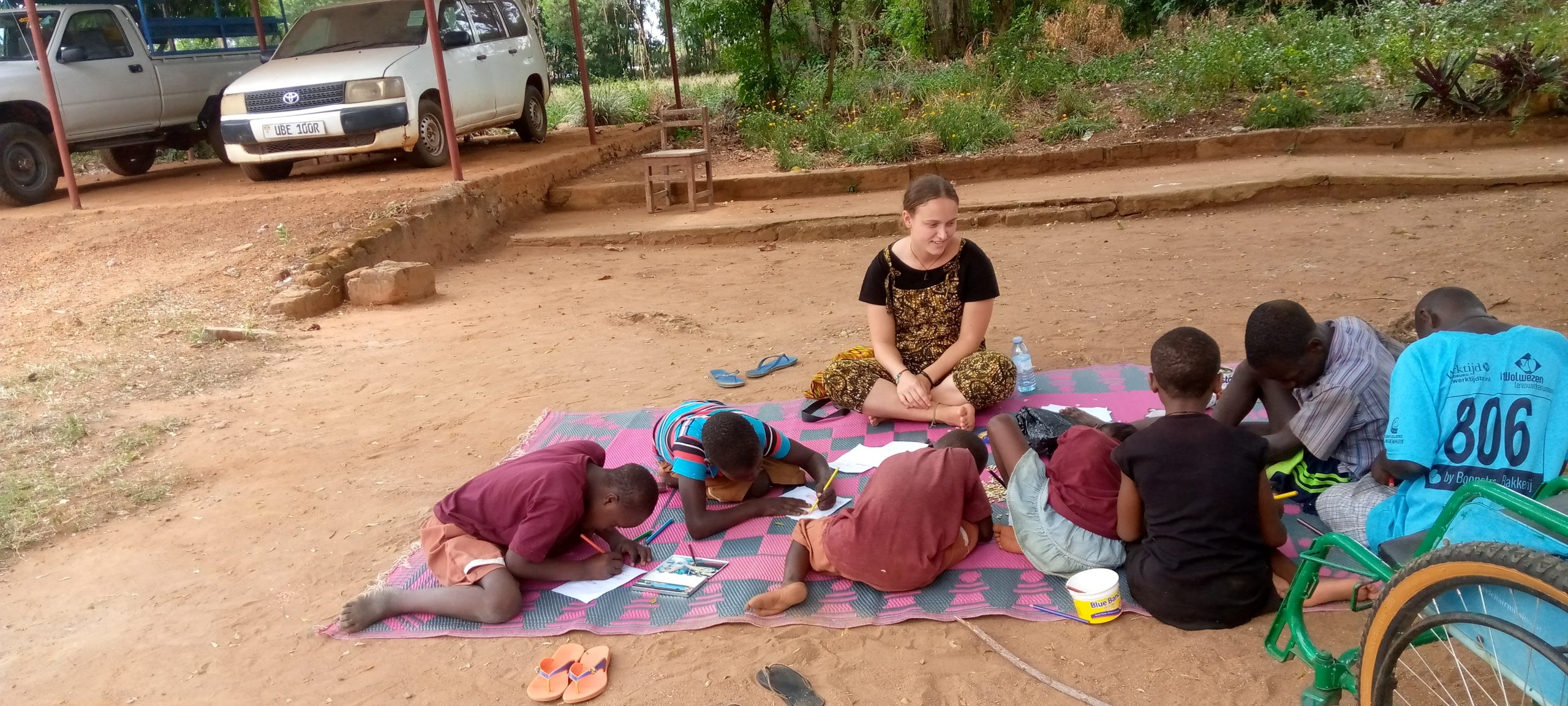
One of our volunteers teaching children how to write and read
Our goal is to help get these children and others into safe and loving families while also providing guidance and counseling so that the whole family can thrive.
Our goal is that the organization will no longer function as a long-term care solution or orphanage.
We will serve as an emergency or crisis management centre where abandoned and orphaned children can stay for a day or a week as we trace other family members who seek to care for them (kinship care).
Instead of operating as a long-term care facility, our program seeks to engage through short-term crisis management.
Budaka Cheshire will be a centre for assessing children with disabilities, finding the actual needs, providing services at the family level, and making referrals where possible.
Click to play
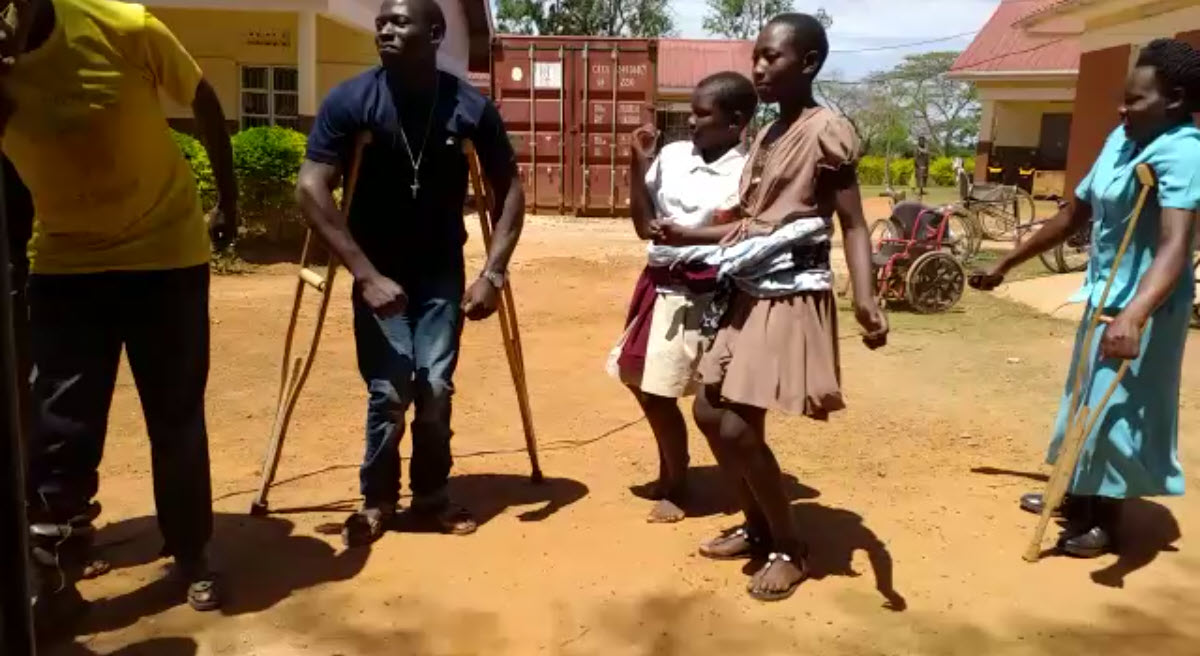
The joyful children at Budaka Cheshire dance and entertain visitors. The smiles say it all!
Currently, we support:
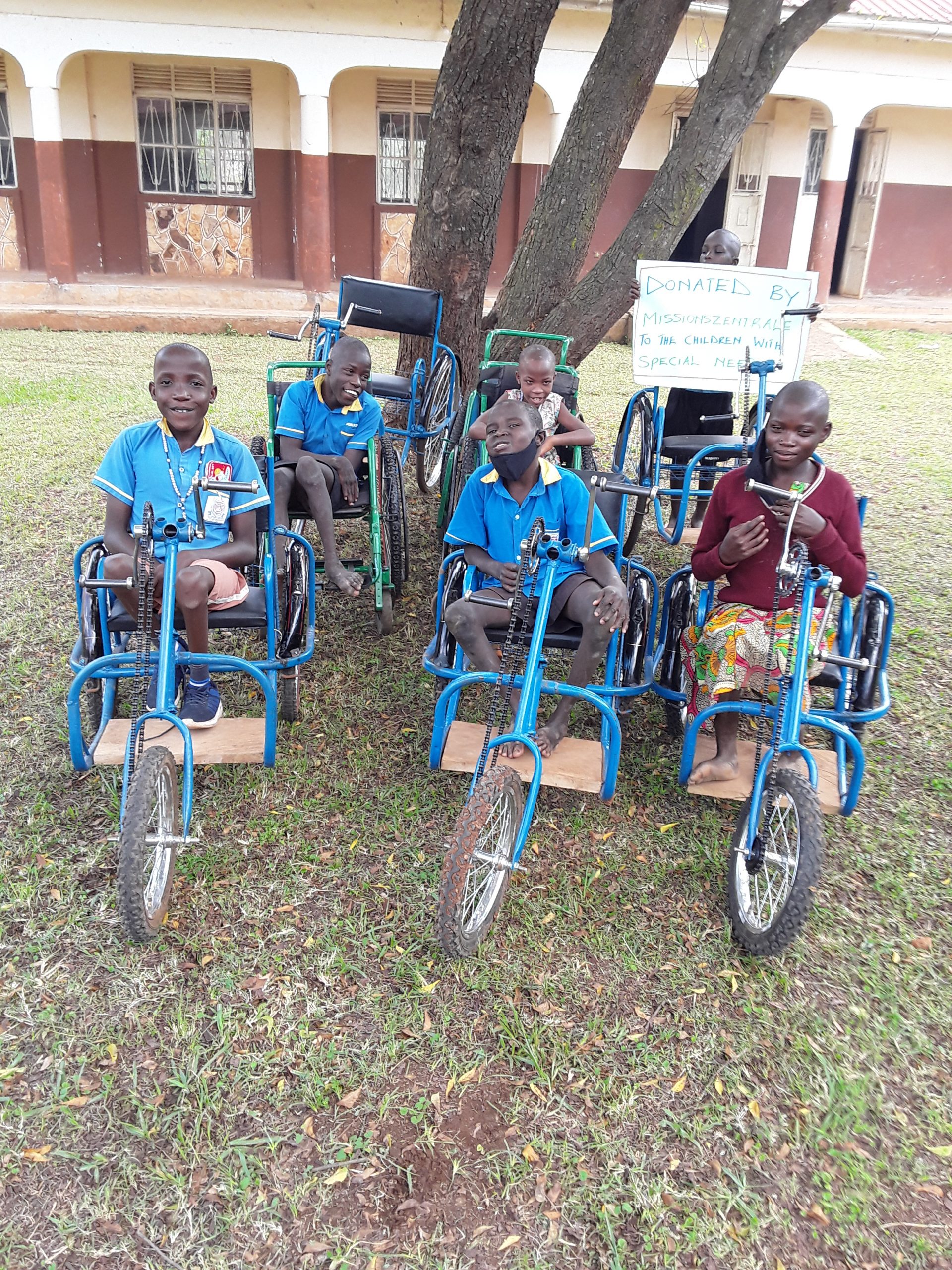
We lobbied for these tricycles for the children within our care
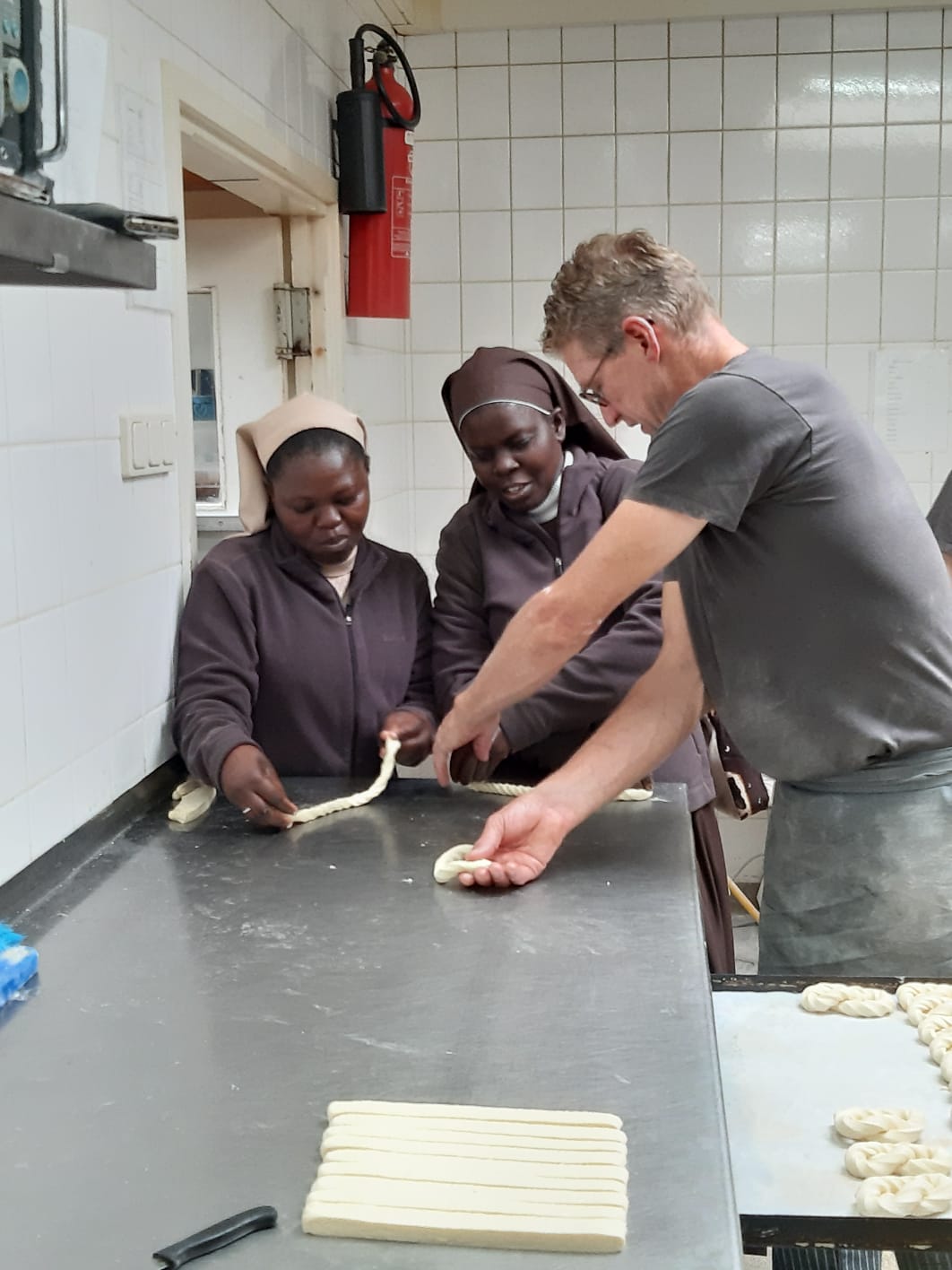
Learning how to bake as an income-generating activity to generate income for our work with family strengthening
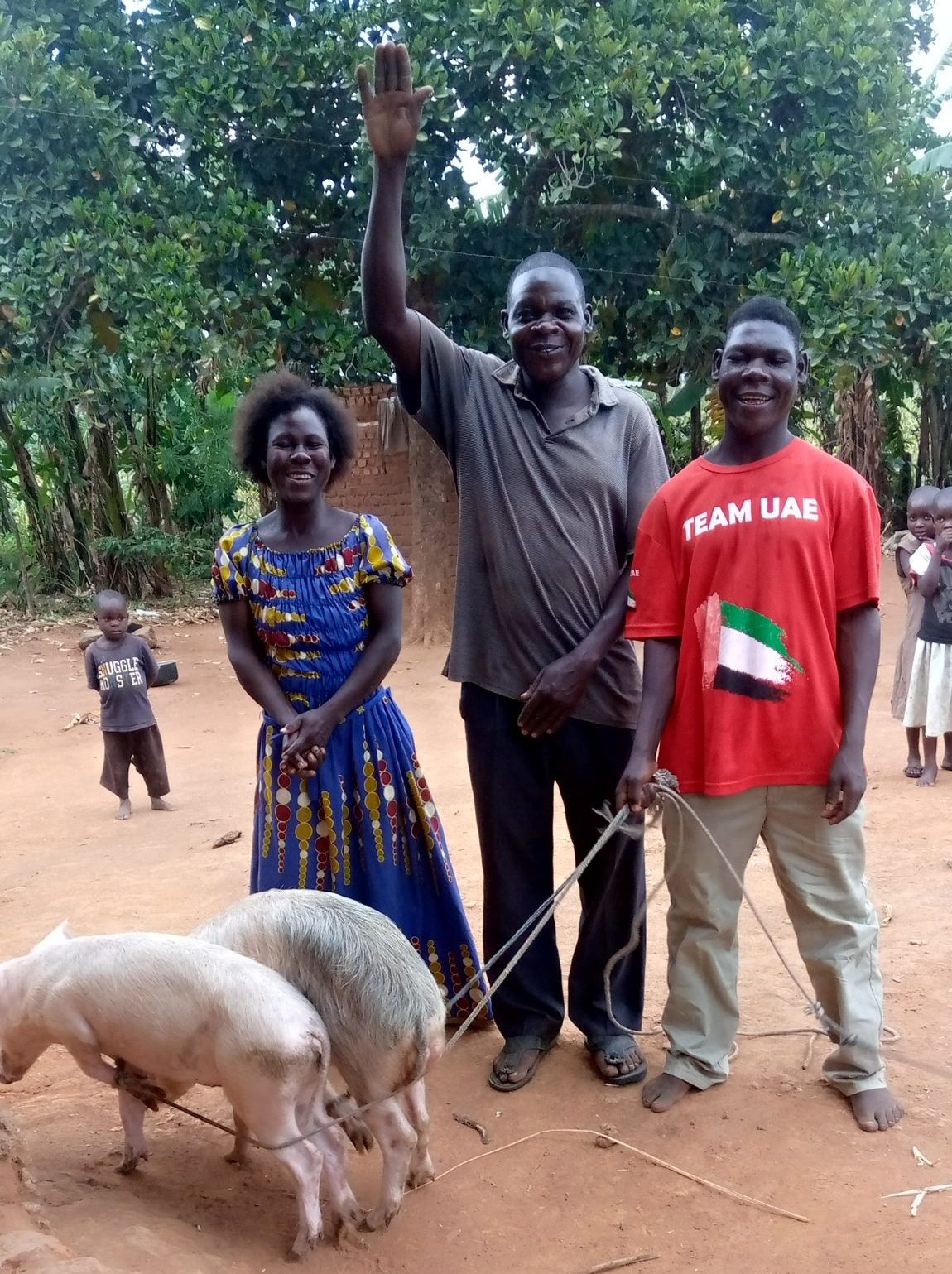
Piggery-project supported by Budaka Cheshire to sustain a family economically
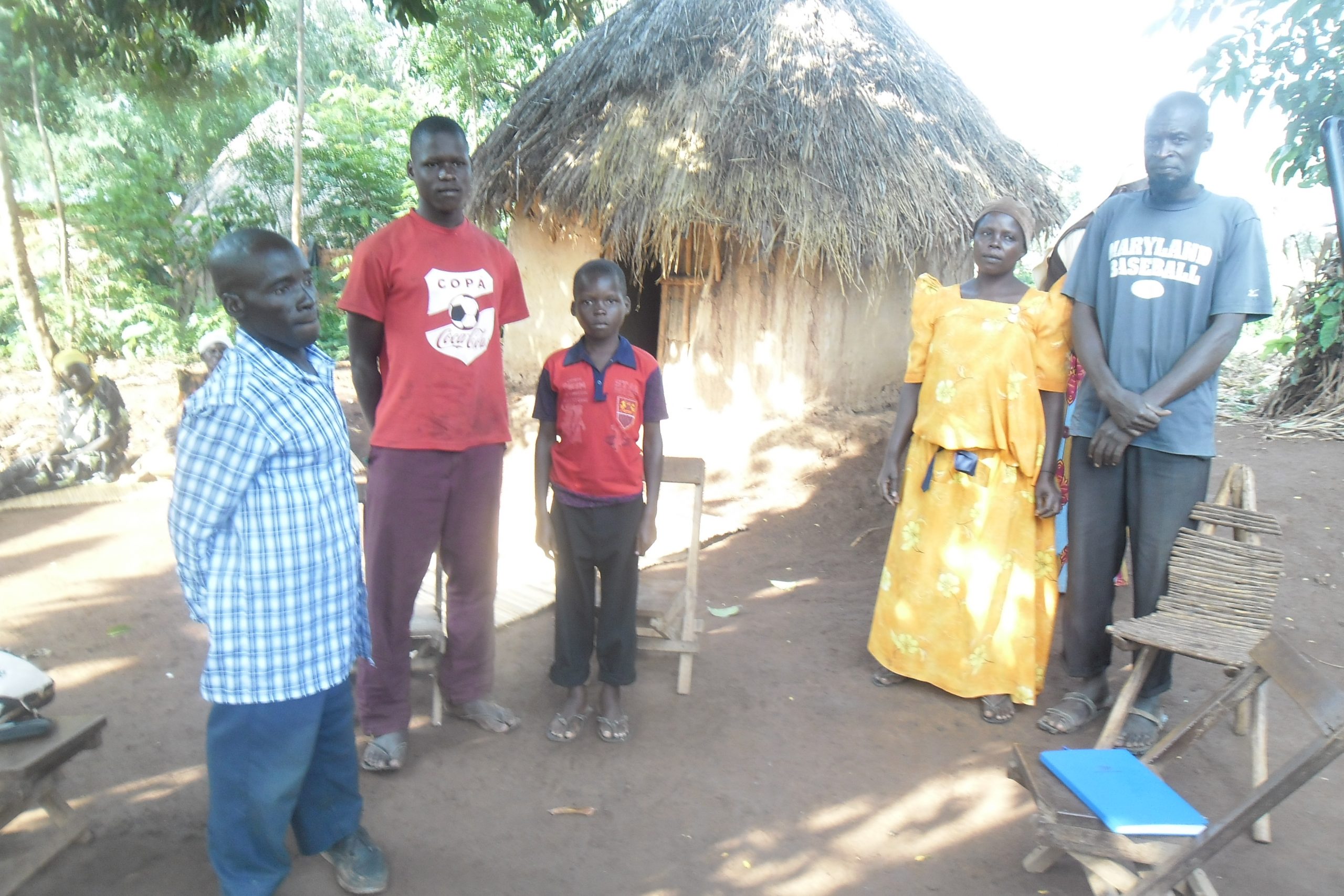
A happily reunited family - photo taken during a follow-up home visit, conducting case management
What is Family-based care?
The focus of Family-based care is providing the love, nurture, and security that allows a child to thrive through reunification with biological parents, kinship care, foster care, or adoption.
Also, a vital part of supporting family care is strengthening families to prevent unnecessary separation.
Our Program
To ensure the sustainability of family-based care, we are doing the following:
Changing the way we care to a family-based approach
Children should be families and kinship care, not orphanages.
Research affirms that the best environment for children is within a loving, secure family.
At Kwetu Home of Peace, we seek the best interest of each child, which is finding a permanent family setting as soon as reuniting is possible.
We will still provide community-based services for street boys.
Children have the best chance to thrive when they grow up in a family. That's why we're committed to strengthening families, and we are now shifting towards a family-based care model.
Our Work
and why it matters.
Our program's transition (with the general running of our home) emphasizes sustainable family-based care more than institutionalization while advocating for children's best interests
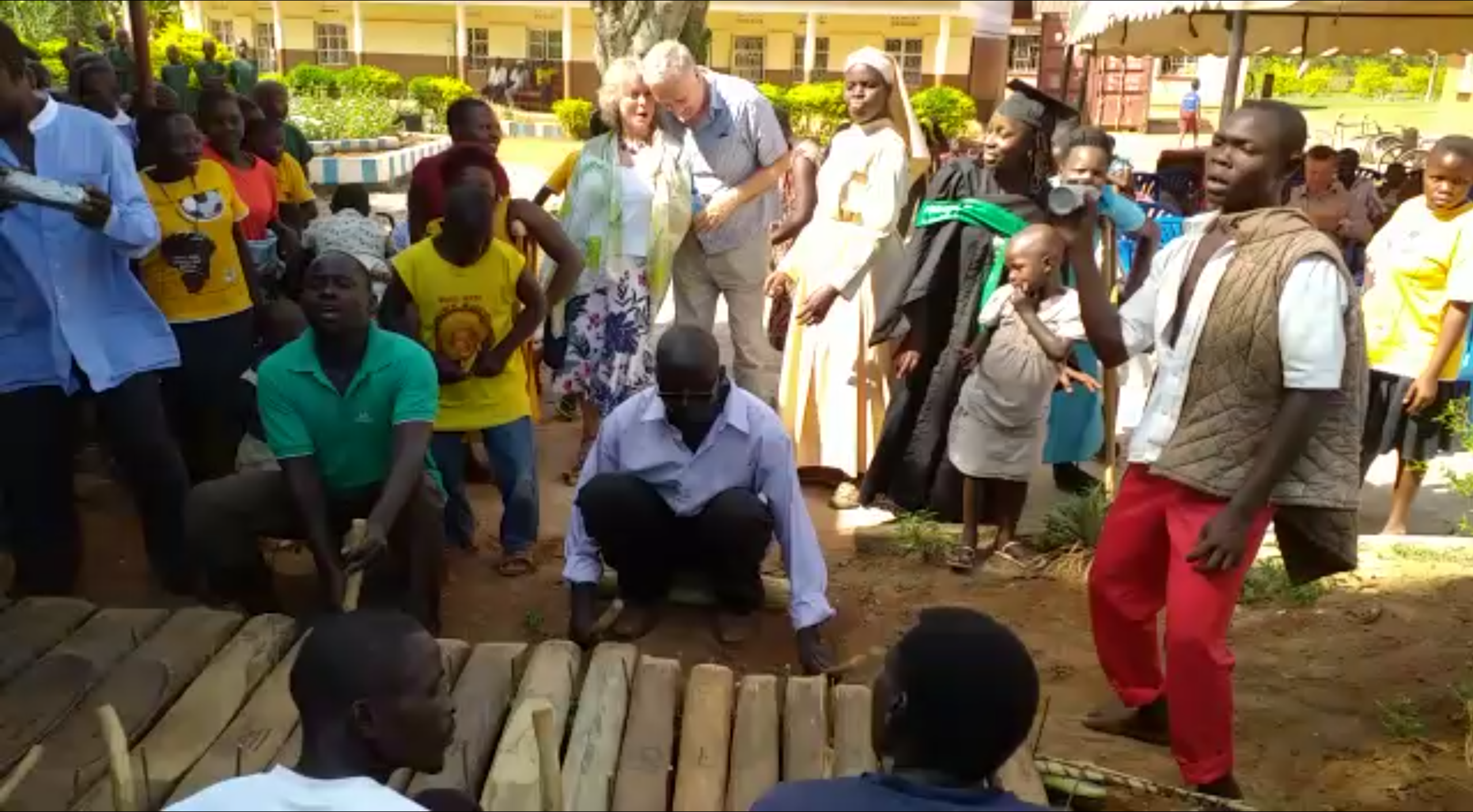
Click to play
One of our child beneficiaries happily celebrates her graduation ceremony in our home. A huge and joyous accomplishment!
Other ways we impact children and families
For over 51 years, we've impacted the children and families in our community in these ways:
Bonding Families
We encourage and support parents visiting children in our home for bonding so that when children are ready to integrate back them, it makes the process easier for all parties. We also strengthen parents and caretakers in the community by providing parent/family support groups and conducting meetings.
Family assessments, Education, & Support
Our trained social workers conduct home/family visits to meet a child's family and assess household vulnerability. We remind parents and caretakers of their responsibilities and roles while providing education, financial, and material support to help families thrive.
Advocating for Children
We help children that live in families find other locally available resources to exercise, continue their rehabilitation and find greater independence and autonomy to feel fulfilled and happy at their homes.
Keeping Children Safe
Our trained social workers know when strong gatekeeping is necessary for families to keep children safe. We use vigilance to protect children at home while advocating for the rights of vulnerable children with disabilities and orphans.
Psychological Support
We provide counseling to those struggling with mental health or family-related problems. We also offer therapy to those recovering from domestic violence and abuse.
Reuniting & Following up
We provide start-up kits for children who are resettled back into their families. In addition, we provide financial support for food, school fees, health needs, and assistive/mobility devices. As a result, many children have participated at schools in debates, mathematics contests, and study tours.
Our Programs
We want to see a society where all children with disabilities can be empowered and live to their full potential, with their rights advocated for in the community.
Transitioning our care model and facility (short-term crisis management)
We're raising funds to transition our model and Children's Home from institution-based care to family and community-based care. Instead of operating as a long-term care facility, our program seeks to engage through short-term crisis management.
Our goal is that the organization will no longer function as a long-term care solution or orphanage. Instead, we will serve as an emergency or crisis management centre where abandoned and orphaned children can stay for a day or a week as we trace other family members who seek to care for them (kinship care).
It will be a centre for assessing children with disabilities, finding the actual needs, providing services at the family level, and making referrals where possible.
Helping resettled children
For those who previously stayed at our home and have resettled into families, we are also raising funds for the travel costs associated with follow-ups to assess families' progress after reuniting and make referrals and recommendations when necessary.
Budaka Cheshire will continue to help children through child-centered, family-based rehabilitation, disability services, medical facilitation, counseling, child advocacy, and family assistance from a child's home.
Supporting children still in our home to be in families
To reunite children who live at our home with their families, we also have travel costs. After family tracing, we assess and screen families first for child protection. A social worker from Budaka Cheshire will conduct a home visit, a household vulnerability assessment, and family interviews to collect data on a child's family and community background. In addition, bonding children with their parents, coaching, counseling, and family sensitization meetings before reunification require transportation costs.
We'll help with family-based care services. In most cases, kinship care – is where extended families take care of children whose parents have died or abandoned them. These family members will also receive financial support, food, school allowance, health care, and parenting coaching from our staff.
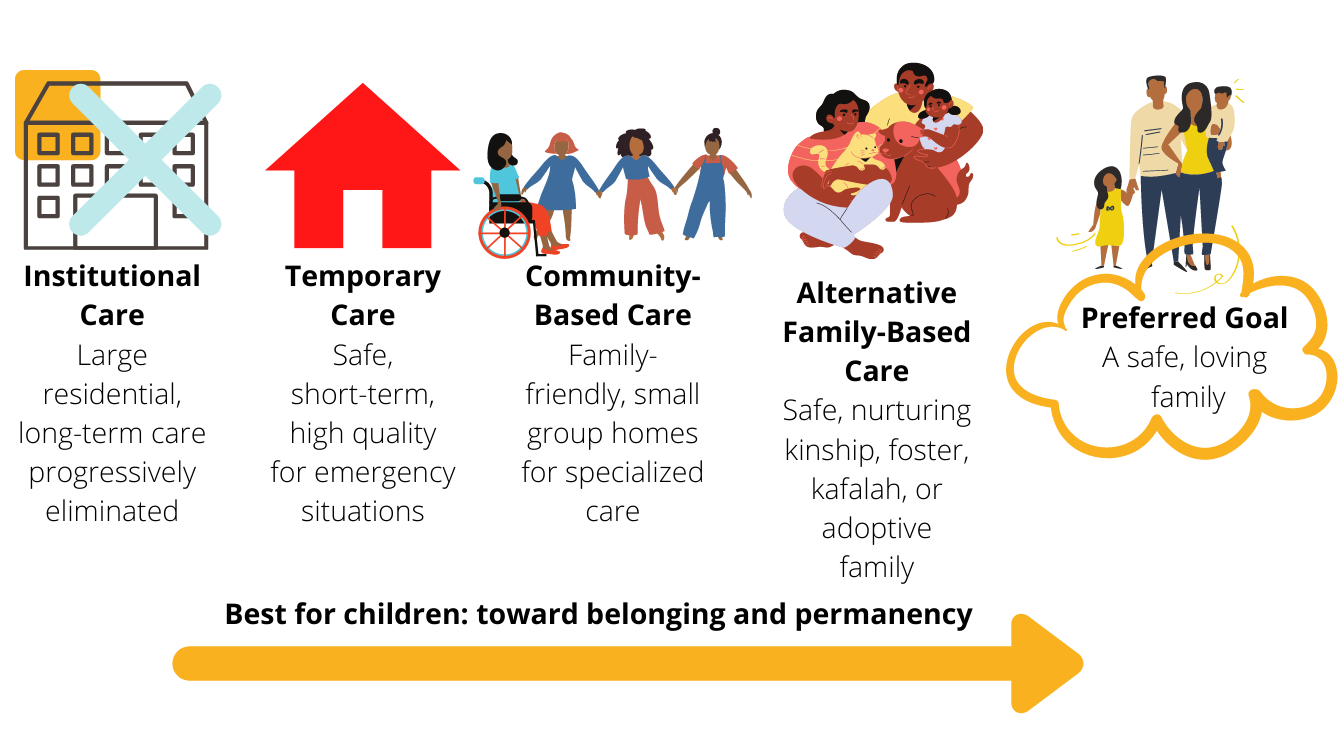
Continuum of Care
Budaka Cheshire Ecologic and Organic Agriculture Demonstration Centre
Along with transitioning to a short-term crisis-management facility, we're also raising funds to transition our home into a demonstration centre for ecological organic agriculture.
We want our home to become a child-centered, family-focused place where families of children with disabilities can find hope, support, and empowerment in their community to reach their fullest God-given potential. Farmers will also be able to conduct meetings in our centre. Through our Demonstration Centre, we hope to partner and network with well-wishers and other organizations involved in child care and protection.
We will carry out training of families and community members on organic farming while we provide education empowering families economically on:
- Piggery production and management
- Poultry management
- Mushroom growing
- Baking
- Liquid soap making
We want to help educate families to start income-generating activities to manage economic problems, gain empowerment through self-sufficiency, and provide for their children's care and unique needs.
Preventing family separation in the first place
We will provide the community and families with knowledge on child protection responsibilities, alternative care (family-based care, kinship care, and community-based care), the rights of persons with disabilities, and child legal frameworks.
Caring for children and families (family strengthening)
We know that children have the best chance to thrive when they grow up in a family. That's why we're committed to strengthening families and helping keep them together.
The key to Budaka Cheshire's success comes from combining effective programs and passionate people to help families of children experiencing poverty, family issues, and lack of services.
How we help children
We'll continue equipping the children we serve with positive attitudes and a positive self-concept. Through counseling and facilitation of practical skills, children can appreciate themselves better and, in turn, be appreciated within the community.
Improving self-esteem also increases opportunities for children to share balanced life as they dream bigger than before, reaching their goals and aspirations; socially, intellectually, economically, and spiritually.
We ensure quality education, healthcare, spiritual development, and skills training for the children we serve for future self-reliance.
For children who need more psychological support or have come from a traumatic background, we will continue following up and providing therapy to help them heal, find support, empowerment, hope, and purpose.
For children with disabilities, we also ensure access to disability services and improve a child's environment at home and school as needed to accommodate their individual needs and abilities (constructing an accessible toilet facility, ramps, and providing adaptive equipment when needed).
We also fund surgeries for children with clubfeet, chronic osteomyelitis, gluteal fibrosis, and more. Along with medical facilitation, we are also raising funds to provide assistive and mobility devices for children in families (tricycles, wheelchairs, walkers, crutches, and more).
How we help caretakers, parents, and families
Within the community, we will serve children and families in their homes through case management and child disability services (conduct assessments, find the real needs, provide services at the family level, and make referrals where possible).
We help parents gain skills that they can use to help sustain their families for the long term, including:
- Case management, conducting home visits to evaluate support needs within families (making referrals when necessary)
- Necessities, such as food, shelter, and healthcare as needed
- Parenting skills coaching and conducting family support groups
- Life skills training and economic planning (reminding families/caretakers of the importance of managing an income-generating activity for the good of the family, child, and community)
- Counseling for families/caretakers that are survivors of domestic abuse so they can heal
- Psychosocial support to strengthen caretaker's capacity to better care for their children
- Helping families access the locally available disability resources so that exercise and rehabilitation can continue for their children as they grow up
- Providing families with knowledge about child protection, the rights of persons with disabilities, and the child legal framework
- Economic planning and job skill development so that they earn income from trade skills, such as baking, knitting, sewing, welding, computers, bookkeeping, and more